






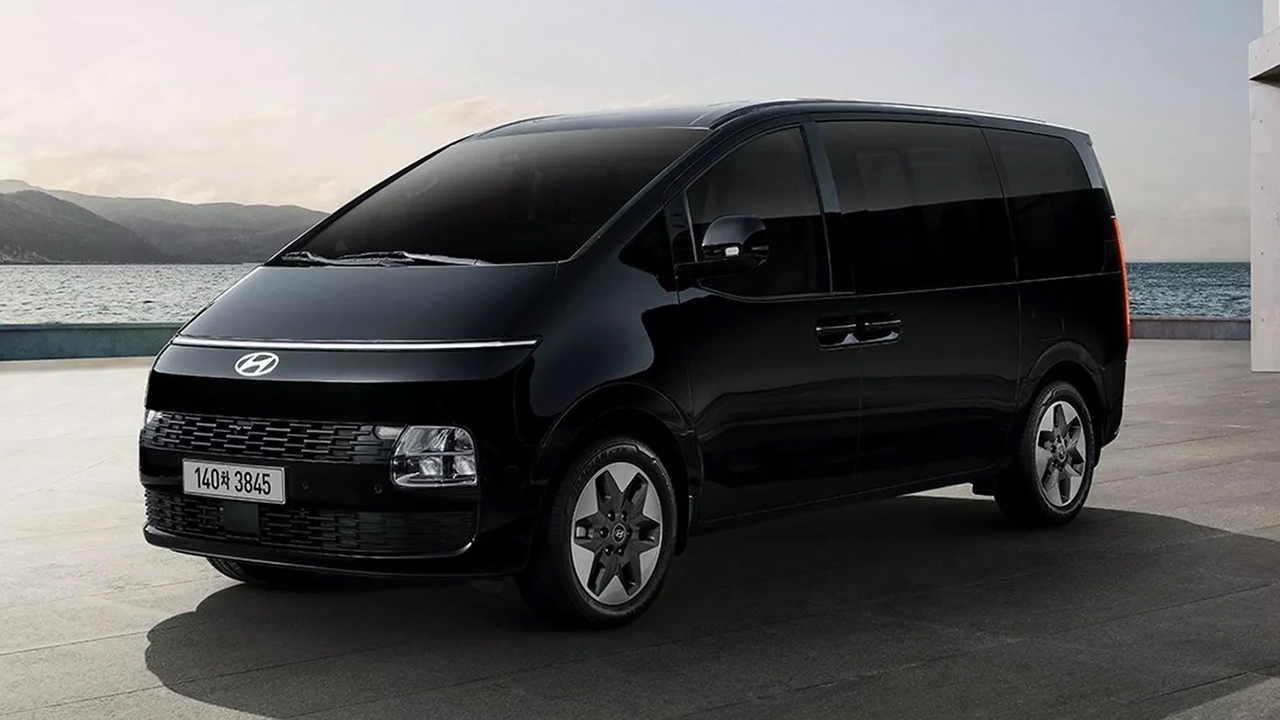
The Hyundai Staria Minor Change has been officially launched in South Korea.
At the front, the model now features a full-width LED light bar with Staria logos positioned on both sides. The lower headlights have been redesigned to blend in more seamlessly, while the cooling air intakes adopt a new pattern. Higher-grade variants such as the Lounge receive a subtly revised grille with added chrome accents, clearly separating the grille’s visual identity from the lower bumper intake. Hyundai has yet to confirm any details regarding the fully electric Staria Electric, although prototype vehicles have already been spotted testing with a unique front bumper design.
In terms of exterior colors, a new Classy Blue Pearl has been added to the standard palette, while the Lounge trim also gains Galaxy Maroon Pearl as an additional option.
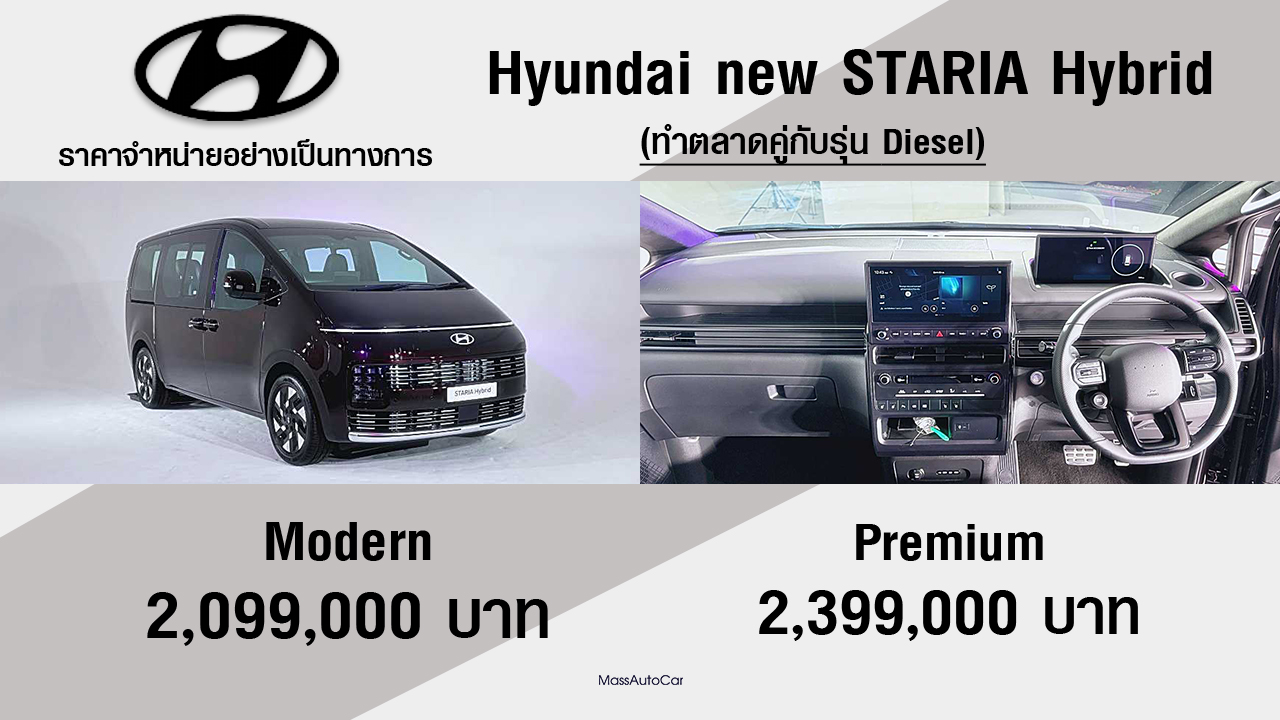
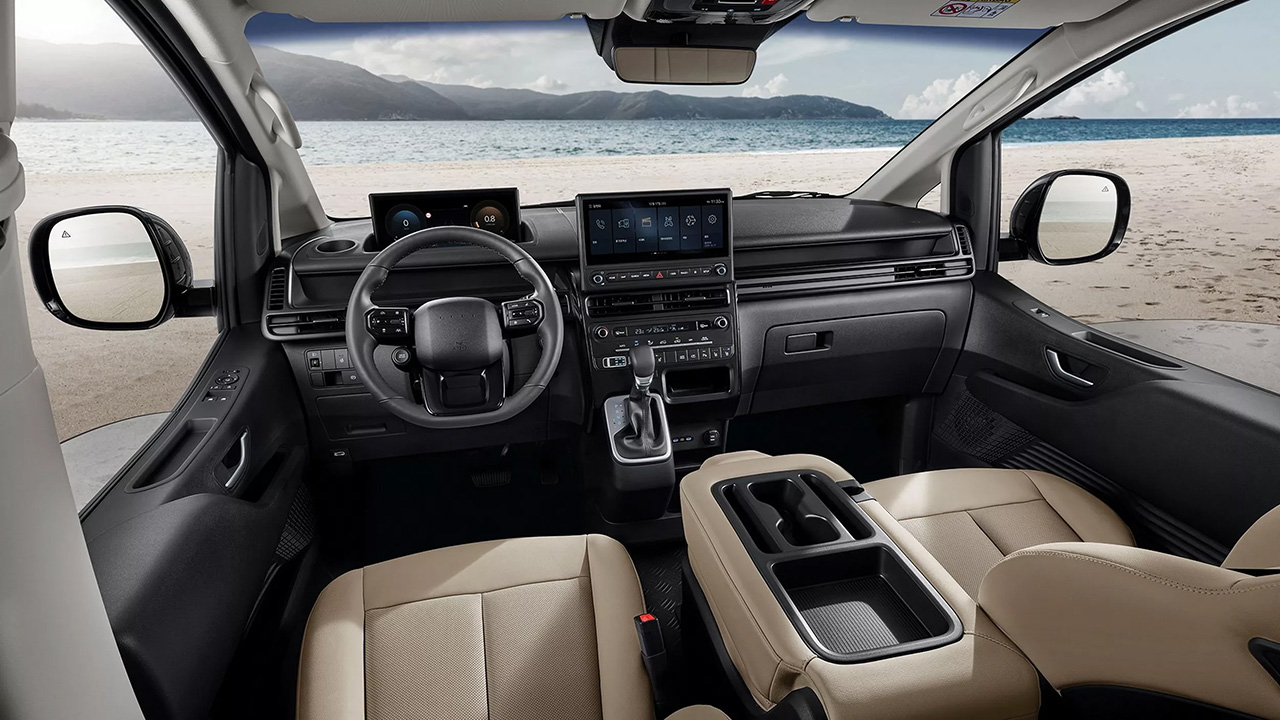
Inside the cabin, the overall layout remains unchanged, but several key elements have been upgraded. Both the digital instrument cluster and the central infotainment display have grown from 10.25 inches to 12.3 inches and now run Hyundai’s latest software, supporting over-the-air (OTA) updates. The dashboard has been redesigned with new air vents and additional storage trays, while the center console has been revised to include more physical buttons, replacing the touch-sensitive controls of the previous model. Other updates include a new steering wheel design, a column-mounted electronic shifter on the Lounge trim, an auxiliary grab handle next to the driver’s seat for easier entry and exit, new interior upholstery color options, and an expanded suite of advanced driver assistance systems (ADAS) offered as standard equipment.
The Hyundai Staria continues to offer a wide range of seating configurations, from a two-seat commercial setup to an 11-seat passenger version with up to four rows of seating.
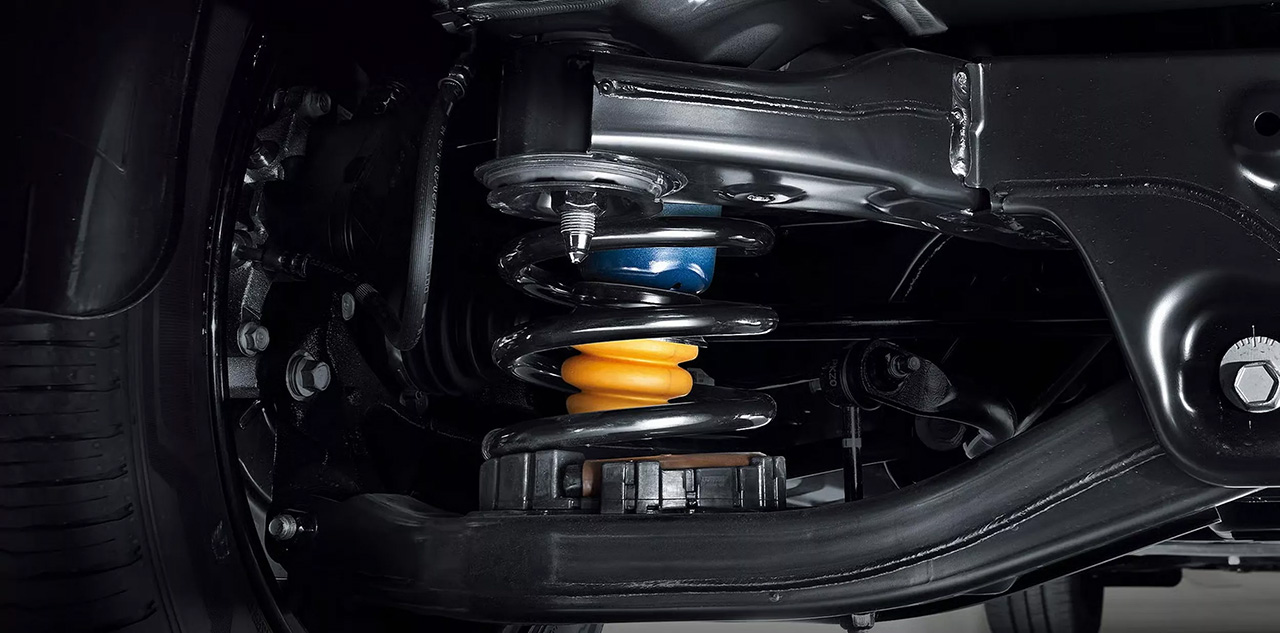
Hyundai has also focused on improving ride comfort by retuning the suspension and fitting revised subframe bushings. The Lounge variant benefits from hydraulic bushings, while all trims receive enhanced sound insulation to further reduce cabin noise.
Powertrain options remain unchanged. The base model is powered by a 3.5-liter V6 petrol engine producing 240 hp and capable of running on LPG. The hybrid variant combines a 1.6-liter turbocharged four-cylinder engine with an electric motor, delivering a combined output of 245 hp. A fully electric version is still under development.
The 2026 Hyundai Staria is now available for order in South Korea, with prices starting at 32.59 million won (approximately 694,000 THB) and rising to 48.76 million won (around 1,039,000 THB) for the top-spec variant, ahead of a planned global rollout.





Source: Carscoops