







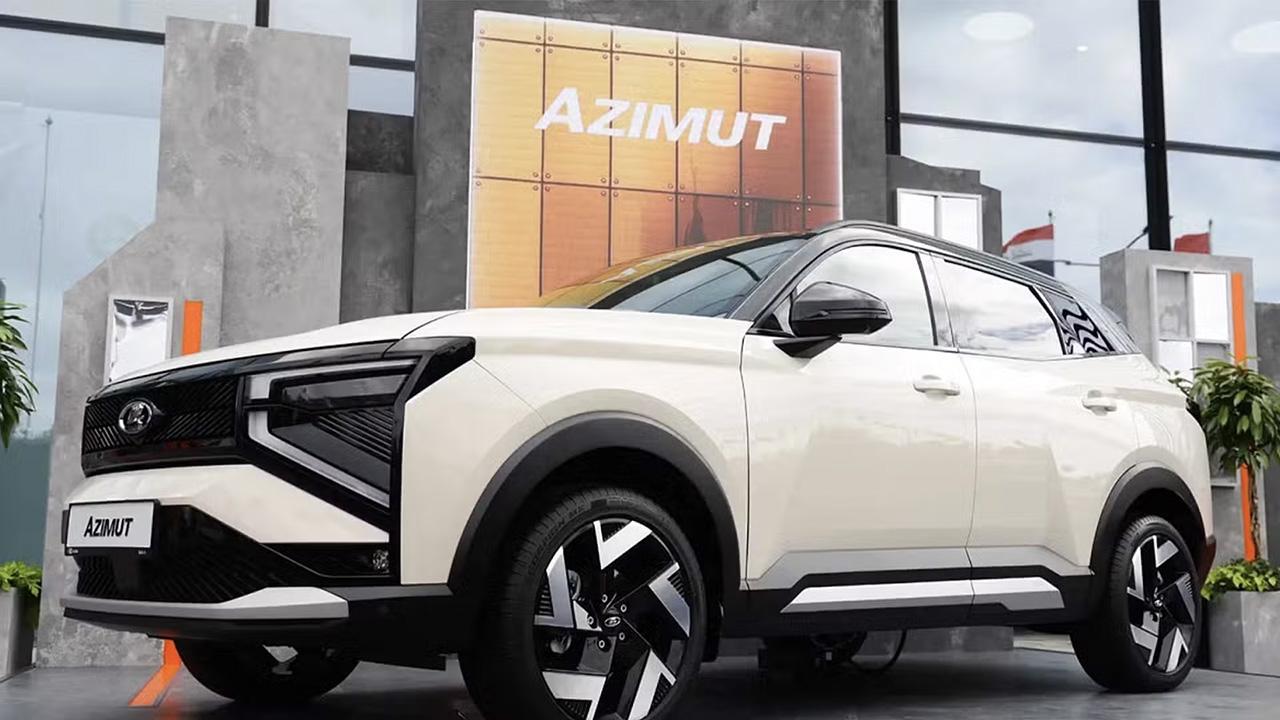
Lada has unveiled a new vehicle named Azimut, marking the brand’s first five-door SUV since the second-generation Niva launched in 1998.
Although the Azimut features a modern exterior, it still rides on the same platform as the Lada Vesta. However, the platform has undergone significant updates, with 996 components redesigned or modified across the body, cabin, and chassis. The model also receives a new rear torsion beam suspension and offers up to 208 mm of ground clearance. The Azimut measures 4,416 mm in length with a 2,675 mm wheelbase—44 mm shorter than the Toyota Corolla Cross, but with a 35 mm longer wheelbase.
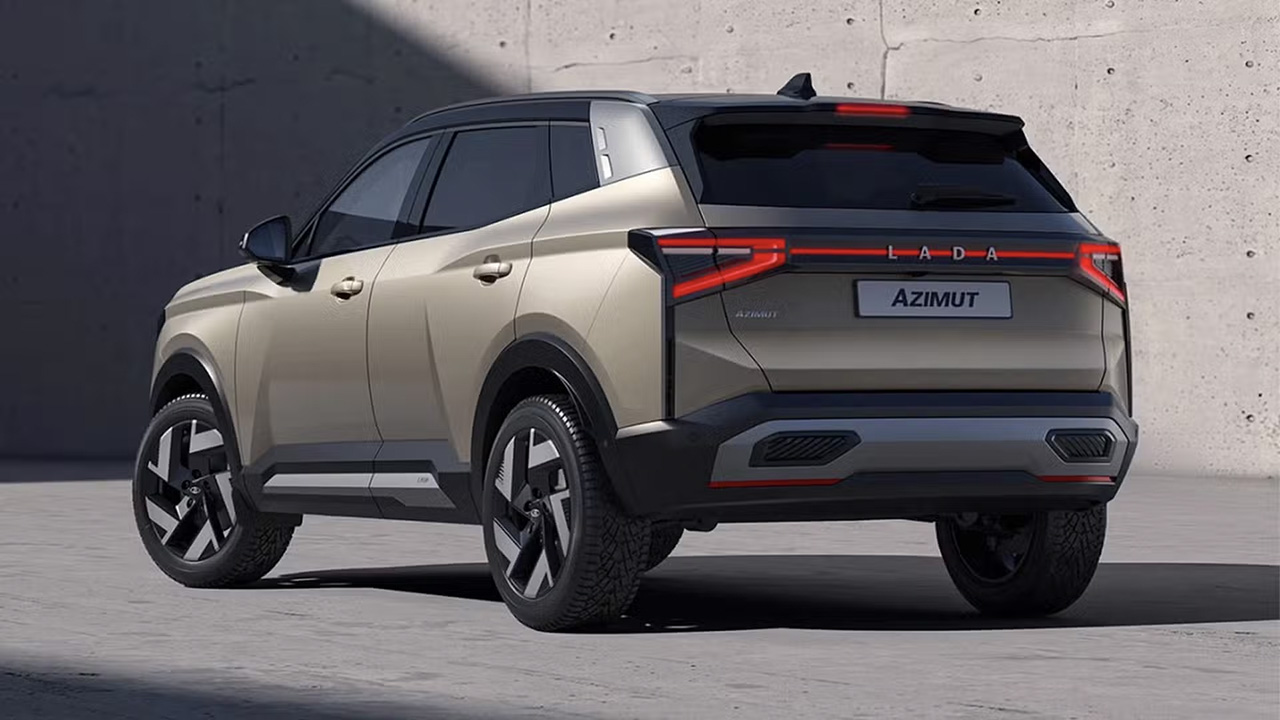
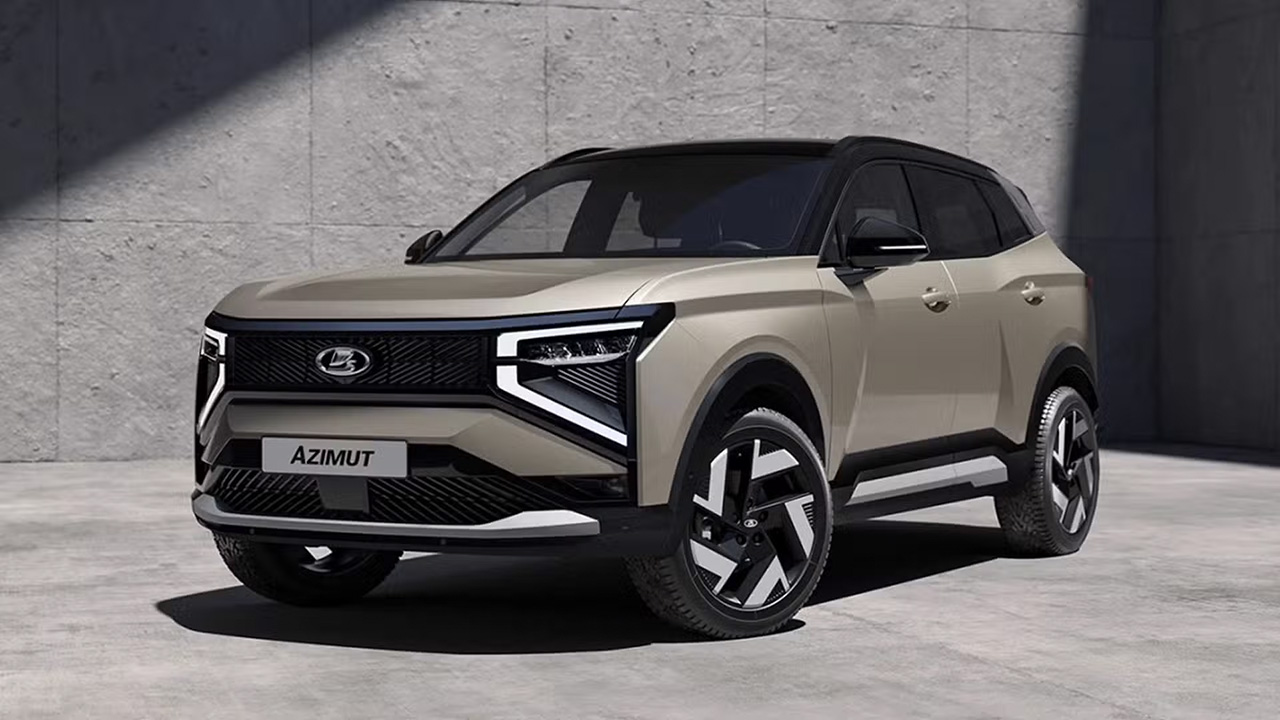
Lada claims that the new model was entirely designed and built in Russia. The Azimut’s design takes strong inspiration from the 2018 Lada Vision concept, notably with its high hood and dynamic character lines. The production version, however, boasts a sharper and more contemporary appearance, including boxy wheel arches—now a Lada signature—sleek LED lighting, a black roof paired with silver D-pillars, and silver accents on the bumpers and side sills.
The Azimut comes with two naturally aspirated four-cylinder petrol engines: a 1.6-litre unit producing 119 hp, and a 1.8-litre engine delivering 131 hp. Both engines are sourced from the Vesta but have been adapted to support either a six-speed manual or a CVT automatic, replacing the original five-speed and CVT options in the Vesta. Lada also announced a range-topping turbocharged 1.5-litre engine, developed with a partner brand, delivering 150 hp and paired with an automatic transmission—scheduled to join the lineup later.
However, AvtoVAZ engineers confirmed to Russian media during the unveiling that the Azimut will be front-wheel drive only, with no plans for an all-wheel drive version at this time.
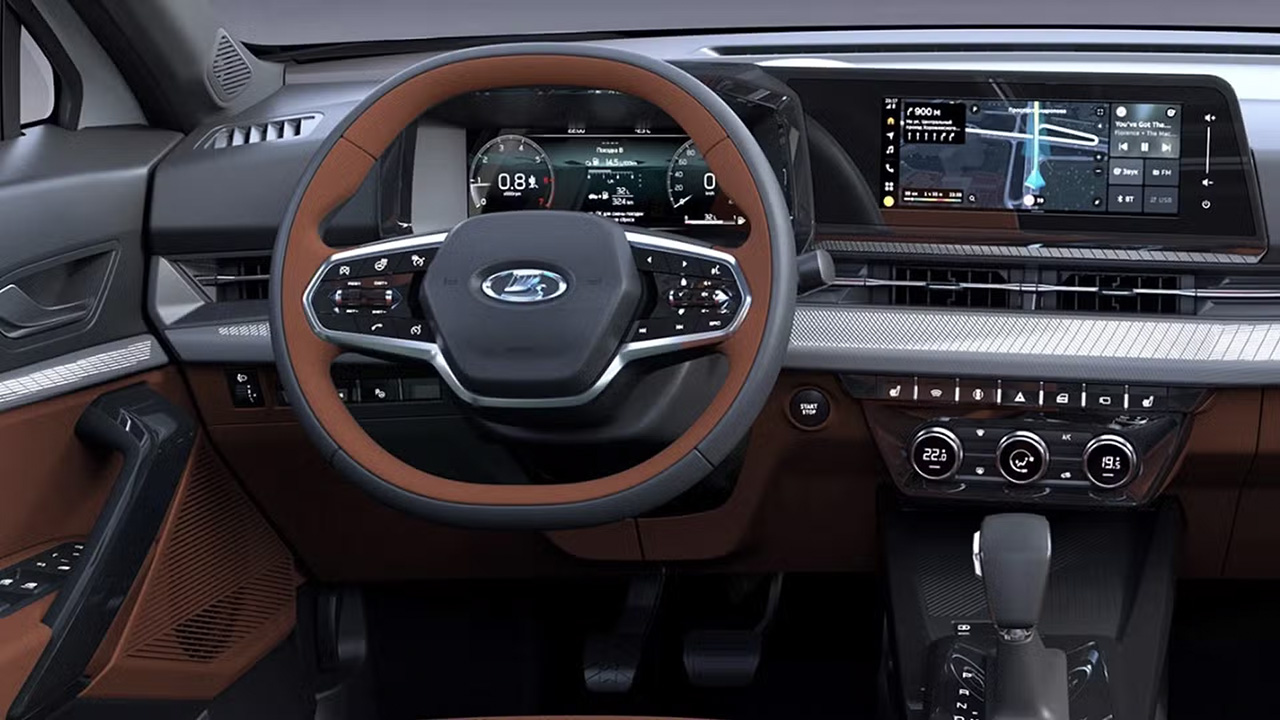
Inside, the Azimut features a clean and minimal dashboard layout with a traditional gear shifter, physical dials and buttons for climate control, a 10-inch infotainment screen, and digital instrument display. Standard equipment includes a six-speaker stereo, keyless entry, reverse camera, ABS, stability control, and two airbags. More premium features—such as dual-zone climate control, panoramic sunroof, wireless charging, power tailgate, 360-degree camera, and side and curtain airbags—are reserved for higher trims or offered as optional extras.
The Azimut is expected to enter pilot production in late 2025, with full-scale manufacturing scheduled for 2026. Russian media estimate the base model will start between 1.9 and 2.5 million rubles (approximately 800,000 to 1,000,000 baht).
As for international markets, it is unlikely that the Azimut will be exported due to ongoing sanctions related to the Russia-Ukraine war.
Source: drive.com.au