





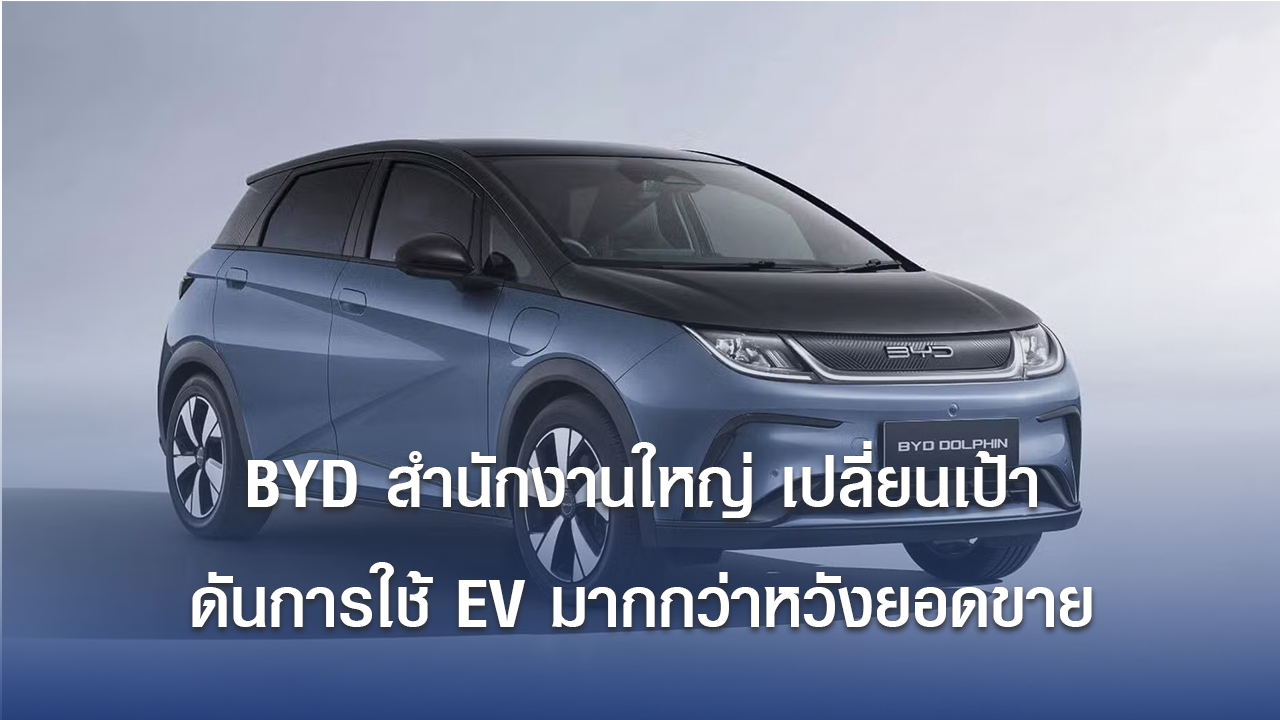
BYD Australia’s goal of toppling Toyota and becoming the top-selling new car brand in the country within the next 10 years now seems increasingly out of reach.
The target of becoming the number-one brand within a decade was set in late 2023 by EVDirect, BYD’s former distributor in Australia, which handed control back to BYD’s factory-backed head office in July. To achieve the number-one position in Australia, BYD would need to deliver more than 200,000 vehicles per year—up from around 20,000 sold last year—and dethrone a brand that has led the sales charts for 23 consecutive years.
Although reaching number one remains a long-term goal, Sajid Hasan, BYD Australia’s Head of Product, told Australian automotive media that sales volume and ranking are only some of the many indicators of the brand’s success. This stance contrasts with the statements from EVDirect, which had managed the Chinese brand for three years until this month.
As of the end of May this year, BYD Australia ranks 12th on the sales chart, trailing brands like Isuzu, Subaru, Nissan, GWM, and MG with 15,199 units sold, but ahead of more established names like Volkswagen and Honda. Currently, BYD needs to increase sales by 15,342 units to catch up with the Top Five, with Kia and Hyundai sitting in fourth and fifth place with 32,940 and 30,541 units sold, respectively. When David Smitherman took over as CEO in 2024, he set more modest goals: aiming to double sales that year and again in 2025 through new product launches.
However, BYD failed to hit last year’s target, with sales in 2024 increasing 64.5% to 20,458 units—partly because the Shark 6 launched late in the year and only began deliveries in early 2025. So far this year, BYD sales have grown 94.7% through the end of May, with the Atto 2 small electric SUV still set to launch before 2026.
“For our goal of becoming a Top Five brand, that should happen around 2025, and then we’ll continue to grow beyond 2026,” said Luke Todd, then-CEO of EVDirect, in 2023. After opening pre-orders for the Shark 6 plug-in ute, Todd also stated that the new model would become Australia’s best-selling vehicle based on early pre-sale numbers.
While the Shark 6 posted strong sales when customers began receiving vehicles earlier this year, the end of the fringe benefits tax (FBT) exemption for plug-in hybrids in April has dampened demand. In February, VFACTS industry sales data recorded 2,026 Shark 6 units sold across January and February, rising to 2,810 in March, but dropping to 1,293 and 1,302 units in April and May, respectively.
FBT (Fringe Benefits Tax) is a tax employers must pay on benefits provided to employees outside of salary or wages, such as company cars for private use.
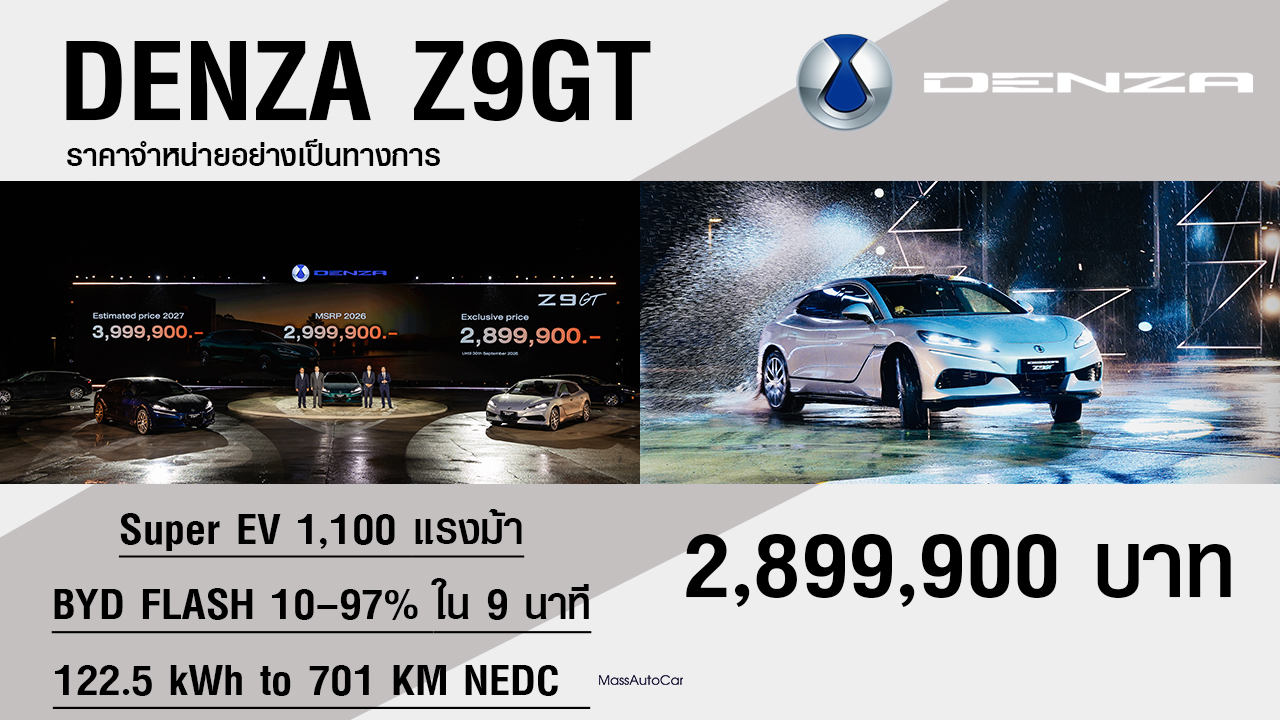
Now, with BYD controlling its own distribution, the brand plans to launch the Atto 2 small electric SUV later this year, while the Sealion 8 large plug-in hybrid SUV is confirmed for an early 2026 release. BYD will also introduce its premium Denza brand later this year, expected to debut with the rugged B5 SUV.
EVDirect will still have a role with BYD, joining forces with Eagers Automotive to form the EV Dealer Group, which will oversee several showrooms across Australia.
Source: drive.com.au