









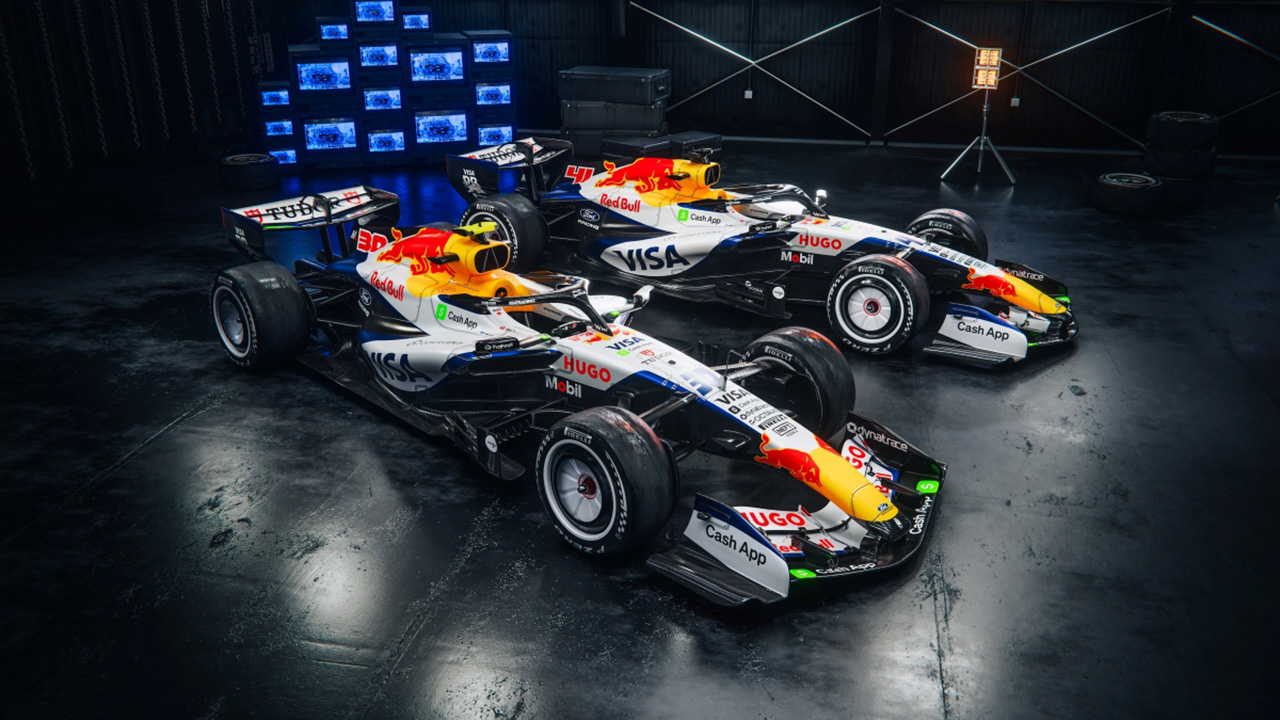
The 2026 Formula 1 season is set to officially kick off on March 8 at the Albert Park Street Circuit in Melbourne, Australia. Ford is preparing to mark its return to the pinnacle of global motorsport after a 22-year absence, reinforcing a racing heritage that spans more than a century while highlighting its philosophy of transferring technology developed on the racetrack to production vehicles for everyday use.
This comeback is led by Will Ford, General Manager of Ford Racing, through a strategic partnership with Red Bull Powertrains to develop the power unit for the 2026 season. Key technologies include a high-voltage electrical system and advanced battery management software designed to enhance the efficiency of the hybrid race powertrain. These innovations are also expected to support the development of Ford’s future pickup trucks and electric vehicles.
Engineering teams from Ford’s development center in Dearborn, United States, are working closely with Red Bull engineers in Milton Keynes, United Kingdom, to develop key components of the F1 power unit. This includes the internal combustion engine, cooling systems, and energy recovery systems. The project also utilizes advanced race simulation technology capable of running up to 1,000 times faster than real time, enabling engineers to fine-tune performance before building the actual engine.
Ford has also employed 3D printing technology to produce more than 1,000 prototype components for testing. These parts undergo aerospace-grade quality inspection processes, including 3D scanning, X-ray, and CT scanning, to ensure they can withstand racing conditions at speeds exceeding 200 mph.
The technologies and development processes derived from the racetrack are also being applied to Ford’s commercial vehicles, such as the Ford F-150, helping elevate quality standards and performance for vehicles that customers will drive on roads around the world.
.jpg)
.jpg)
.jpg)
.jpg)
.jpg)
.jpg)