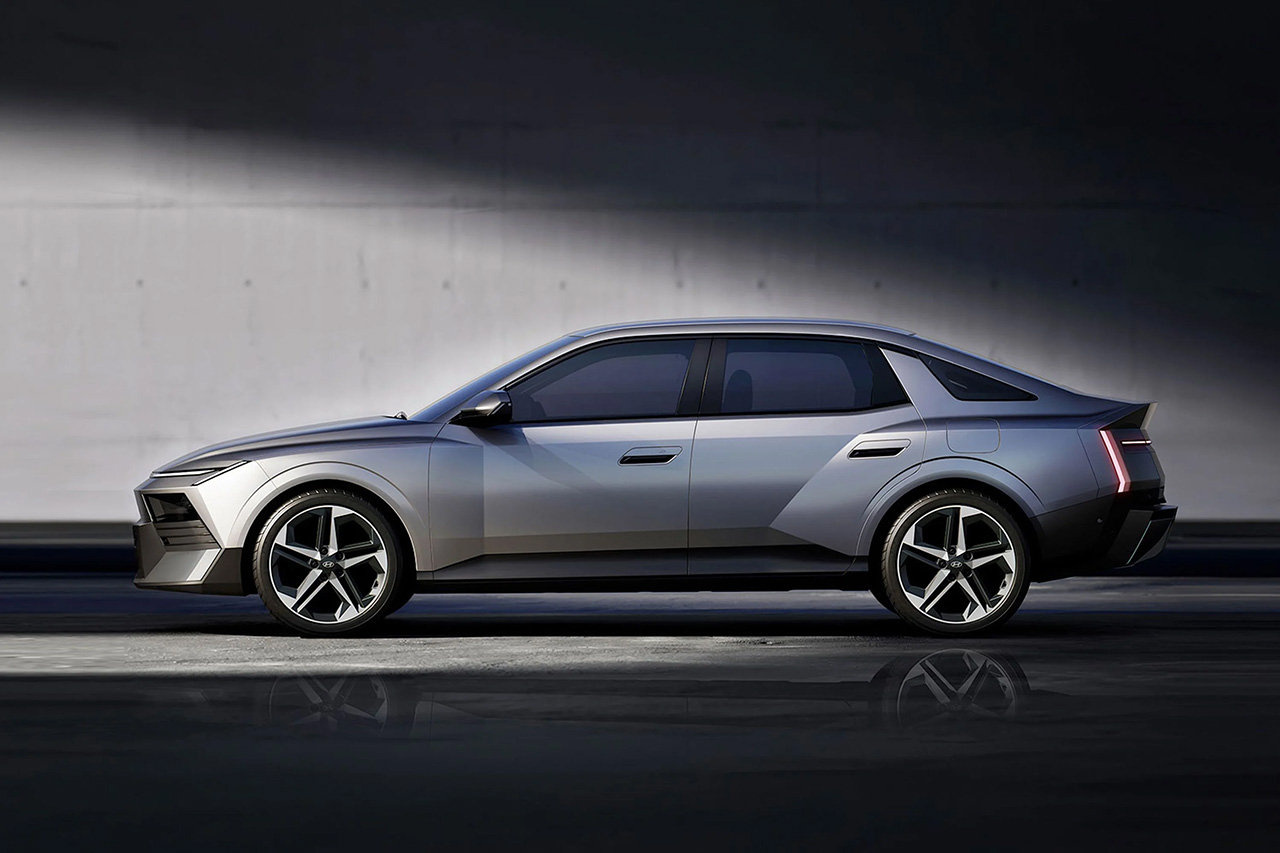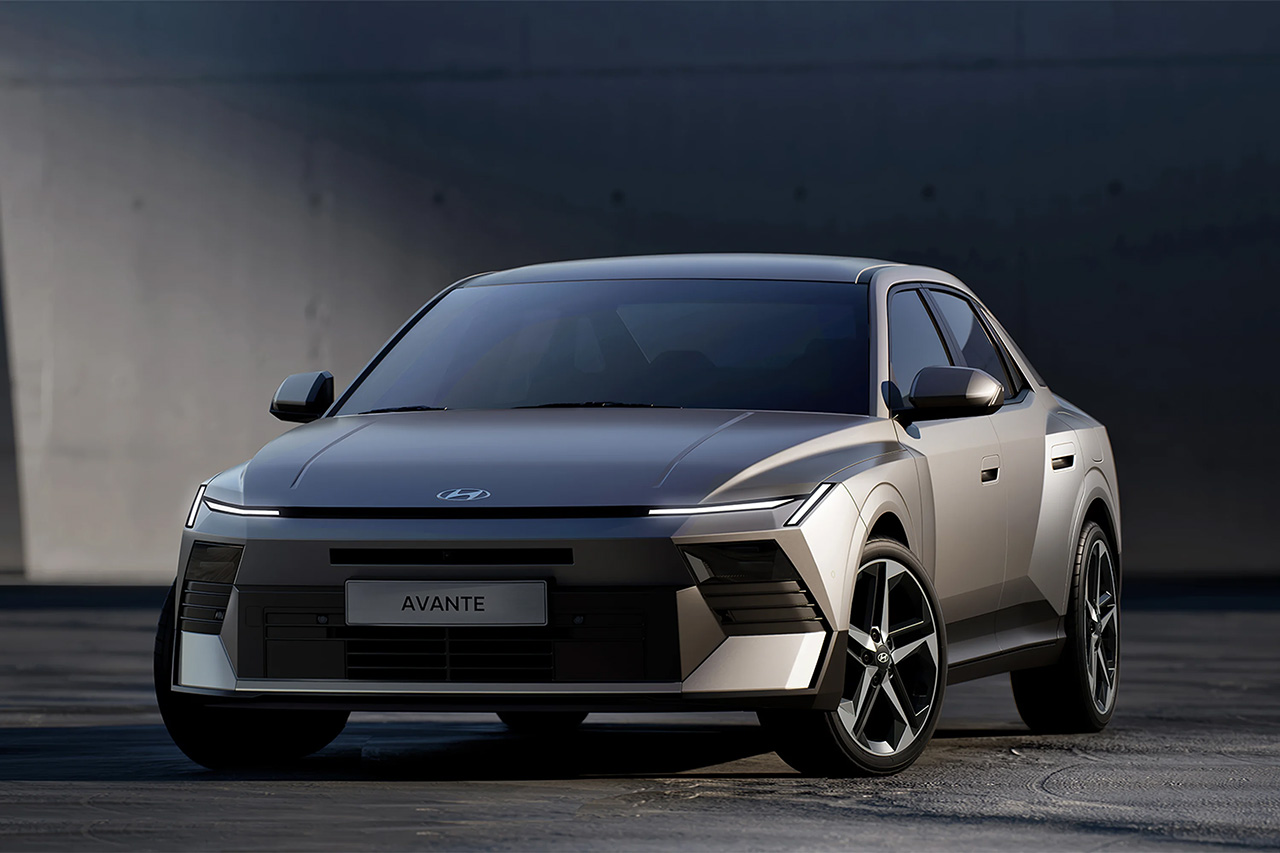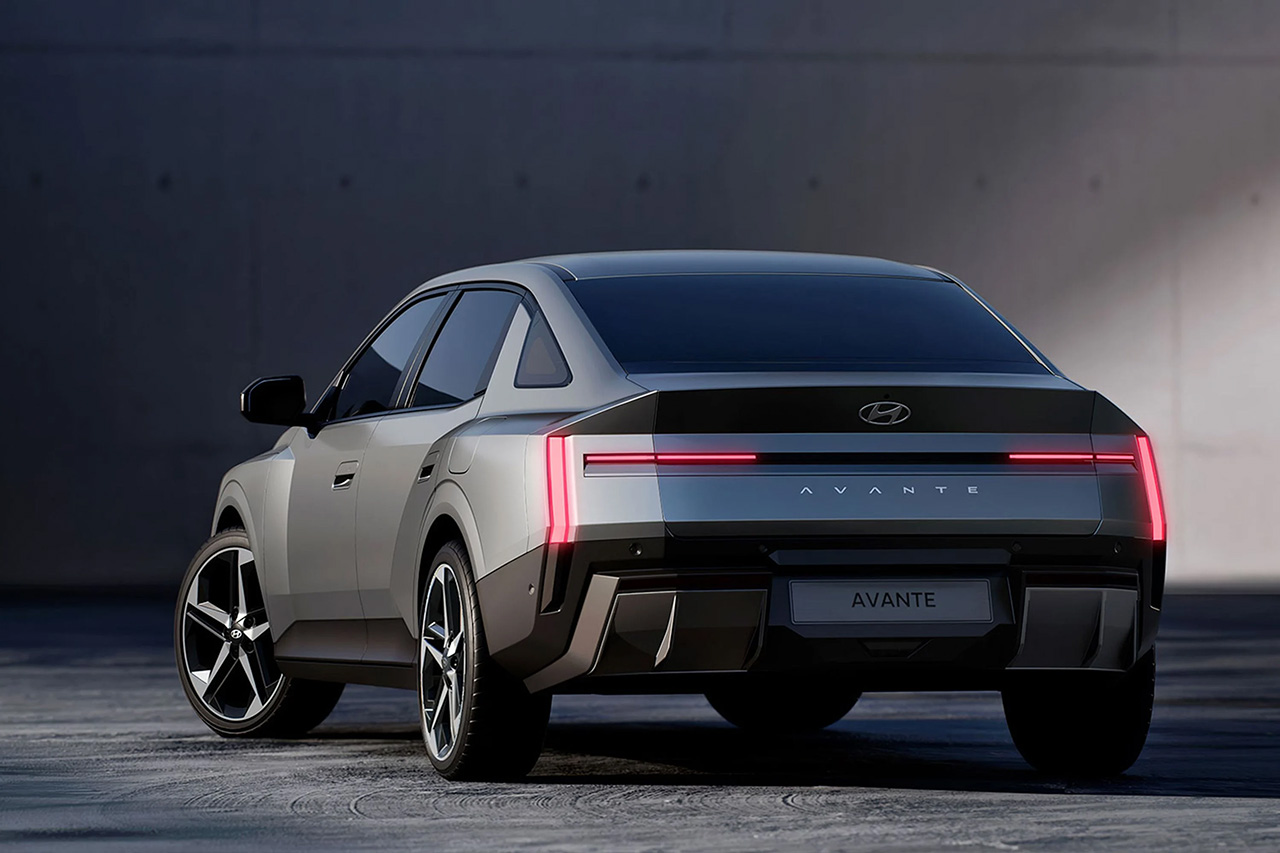









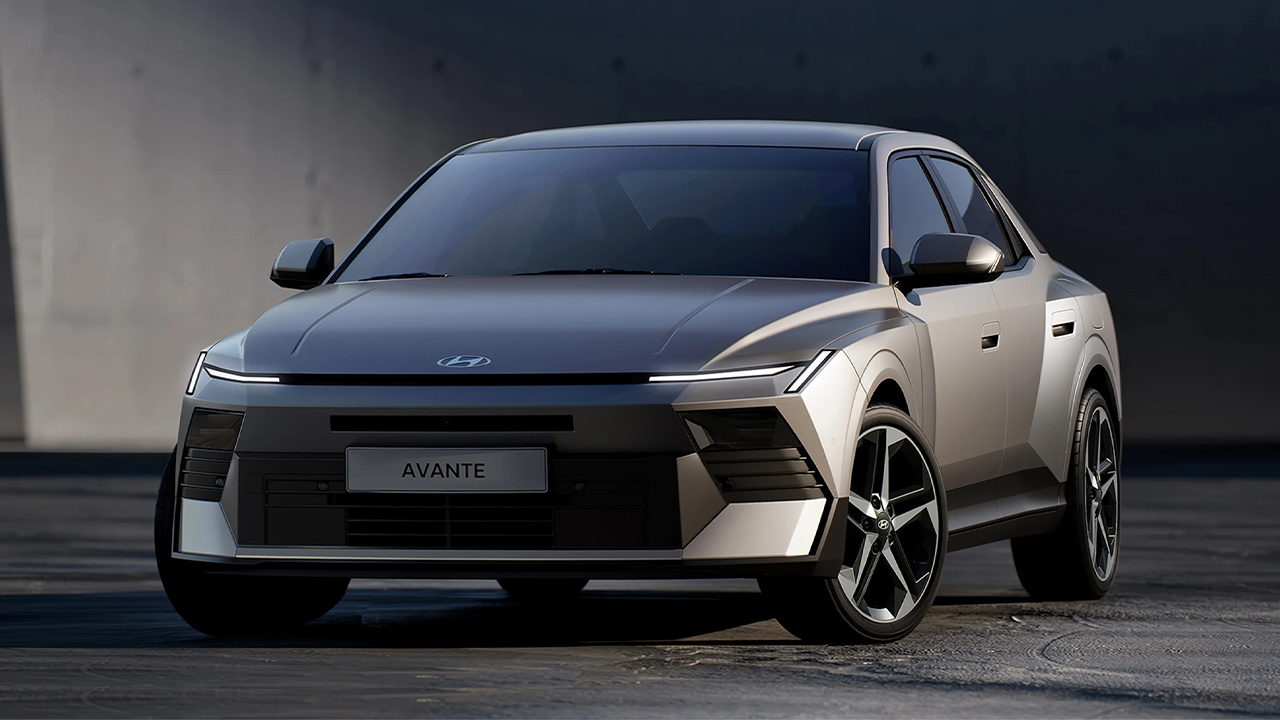
Hyundai has officially unveiled the all-new 2027 Avante, known as the Elantra, at the 2026 Busan Mobility Show in South Korea. The latest generation brings a comprehensive redesign, featuring a bold new exterior, a completely reimagined cabin, and a next-generation hybrid powertrain.
The front end adopts Hyundai's latest design language inspired by its Ioniq electric vehicle lineup. Slim LED daytime running lights are paired with a sharply sculpted, sporty front bumper, giving the sedan a more sophisticated and dynamic appearance. Along the sides, cleaner body surfacing is complemented by pronounced front and rear wheel arches, while the rear has been completely redesigned with a more angular, modern look. Vertical LED taillights are positioned at each corner of the vehicle, connected visually by a slim horizontal LED light bar spanning the width of the trunk.
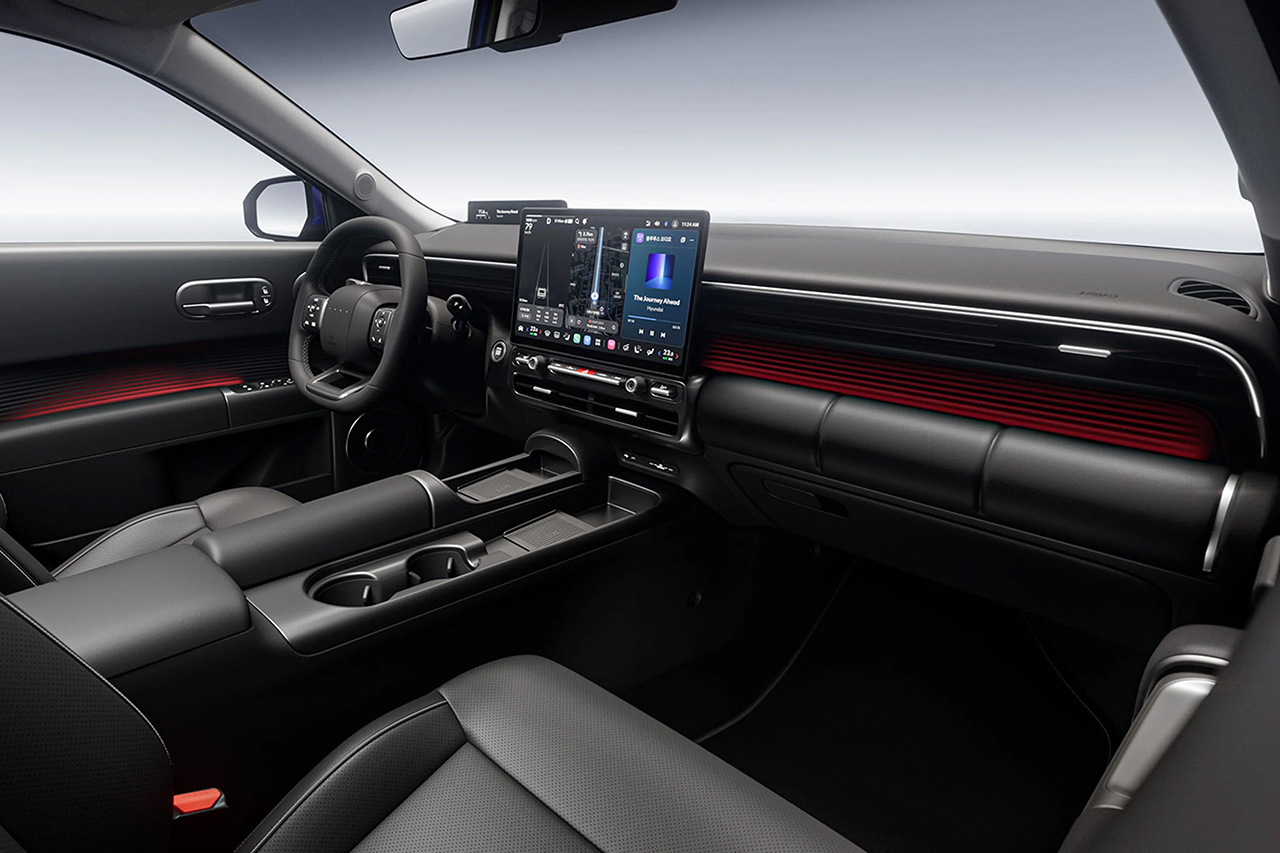
Inside, the cabin has been almost entirely redesigned, borrowing several layout concepts from the Hyundai Grandeur. One of the biggest changes is the replacement of the previous dual-screen setup with a standalone 17-inch infotainment display running Android Automotive OS. The system is paired with Hyundai's new Gleo AI voice assistant, offering enhanced connectivity and more advanced intelligent functions.
The driver's instrument cluster is now housed in a separate 9.9-inch digital display, while the passenger side dashboard features distinctive Art Deco-inspired trim. A newly designed steering wheel incorporates physical control buttons and Hyundai's Morse code-inspired "H" emblem.
Despite the significant technological upgrade, Hyundai has retained physical buttons for the climate control and audio systems beneath the central display, allowing drivers to operate key functions more intuitively while minimizing distractions.
Powering the all-new Avante is Hyundai's next-generation dual-motor hybrid system, producing a combined output of 159 horsepower. It is also equipped with Smart Regenerative Braking 3.0, which further improves energy recovery efficiency during deceleration, and supports Vehicle-to-Load (V2L) functionality, enabling the vehicle's battery to supply power to external electrical devices